Showing posts with label organic gardening. Show all posts

Wednesday, May 23, 2012

Making organic compost from food scraps

If you think food scraps in your kitchen such as coffee grounds, tea bags, stale bread, grains are useless, you're wrong. You can make organic compost by yourself from those scraps easily.
Composting from food scraps not only help the earth to trap you can also provide additional nutrients to the soil without paying any penny.

Here is the list of food waste can compost

  • All your vegetable and fruit wastes, (including rinds and cores) even if they are moldy and ugly
  • Old bread, donuts, cookies, crackers, pizza crust, noodles: anything made out of flour!
  • Grains (cooked or uncooked): rice, barley, you name it
  • Coffee grounds, tea bags, filters
  • Fruit or vegetable pulp from juicing
  • Old spices
  • Outdated boxed foods from the pantry
  • Egg shells (crush well)
  • compost from food scraps
  • Corn cobs and husks (cobs breakdown very slowly)
Food waste cannot compost

  • Meat or meat waste, such as bones, fat, gristle, skin, etc.
  • Fish or fish waste
  • Dairy products, such as cheese, butter, cottage cheese, yogurt, cream cheese, sour cream, etc.
  • Grease and oils of any kind
  • Kitty litter or animal feces
  • Those will make the compost smell badly and attract maggot or rodent.

How to do compost from food scraps
1. Select a dry, shady spot near a water source for your compost pile or bin.
2. Before you add scraps, make sure larger pieces are chopped or shredded. The smaller pieces are, the sooner the compost will be ready.
3. Cover your composting area with a 6-inch layer of brown materials (dead leaves, branches, chip & twigs, shredded newspaper, saw dust)
4. Add a 3-inch layer of green materials (grass clippings, food scraps)and a little soil or finished compost.


5. Lightly mix the two layers above.
6. Top with a 3-inch layer of brown materials, adding water until moist.
7. Turn your compost pile every week or two with a pitchfork to distribute air and moisture. Move the dry materials from the edges into the middle of the pile. Continue this practice until the pile does not reheat much after turning.
8. Your compost will be ready in 30 dayss, but let the pile sit for two weeks before using.


Tuesday, December 28, 2010

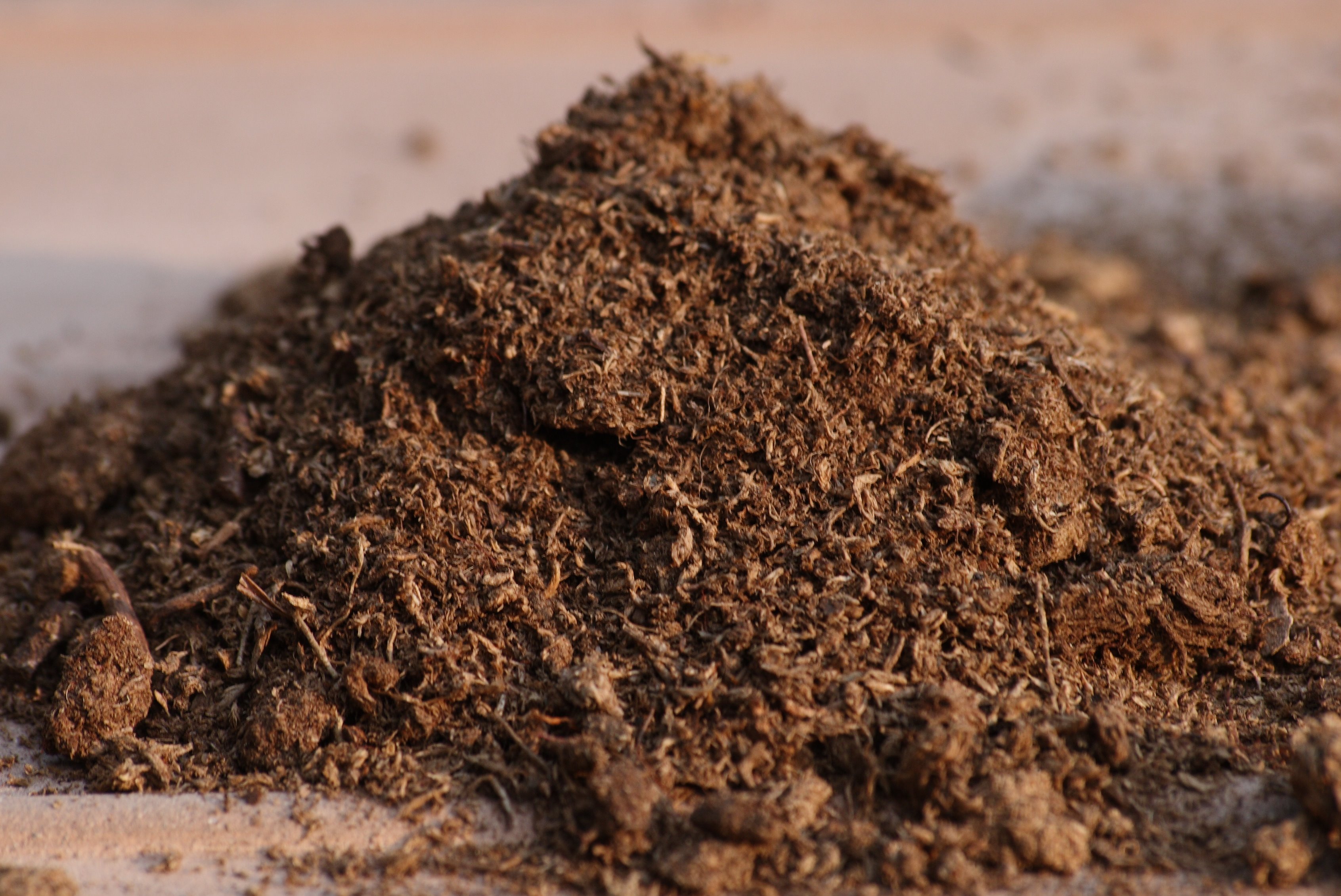
Peat moss: use and benefit

What is peat moss?
Peat Moss, as used in gardening, is a fibrous, decomposed remains of these certain types of moss, which are found in very wet areas of the country. It is a highly prized natural plant food and can be used as a covering or mulch like substance for seeded areas.
Why should we use peat moss?
Peat moss has many benefits to plants and especially, it’s very helpful to seed the cactus & succulent.  

- improve compost

-    condition the soil : Peat moss is ideal for improving the texture of the soil, and when  added to garden soil it will stop nutrient runoff from occurring by holding water and nutrients in soil.

- Adding peat moss to clay soils can help break down clay by aerating it and applying peat moss to sandy soils will help bind it and retain nutrients rather than leach them.


I was told by a cactus experts that he used the peat moss and pumice (volcanic rock) when he seed the cactus.  That would increase the survival rate of the baby cactus.  But the peat moss would be dry quickly so you should often water the cactus with peat moss.
By the way, coconut fibre can uses as a valid substitute for peat moss. It has many of the same qualities inherent in the moss yet is more environmentally friendly. Coconut fibre is sourced from the husk fibres of coconuts and has given some hope for normally what is seen as a waste product.  
I cover the top of soil of the flower and the vegetable with the coconut fibre  as it can keep moisture in the soil.  But for the cactus & succulent, coconut fibre is not the good choice because coconut fibre holds water in the pot and that can cause the plants being rotten.
Where to find peat moss?
In local farm supply, outdoor or gardening section of most department stores. 

Wednesday, December 8, 2010

Human urine as organic fertilizer

Generally, urine is the liquid waste from our body but in the Asian agriculture, it’s common to use urine as a good source of nitrogen and other minerals and, providing it is used correctly, is completely safe.  The research at University of Kuopio's Department of Environmental Sciences in Finland assumed that the nitrogen contents of human urine could be a good fertilizer for many other plants or crops.  

The study said that the cabbage fertilized with urine was compared with similar plots of cabbage that either went unfertilized or where commercial fertilizer was used. At harvest, the cabbage enriched with the urine had several advantages: It was slightly larger, it grew to its maximum size more quickly, and, for most of the growth cycle, it suffered less bug damage than the commercially fertilized variety.

I tested to water with the mixed urine 2 times a week in the morning and now, my plants (such as vegetable, roses, orchid, cactus and etc.) grow well and quickly like they do in the rain season. 

How to keep and use it
  • Keep it separate. The golden rule with urine use is to keep it separate from other bodily wastes. Urine is clean and needs to be kept that way. Pee in a bottle, or invest in a urine-separating toilet.
  • Dilute urine with water at 1: 10.  The pure urine is too strong and salty to be used neat on plants.    
  •  Use it fresh. We all know that stale urine smells. That's ammonia, and it's made from nitrogen. The smellier your collected urine, the less nutritious it will be for your plants, as well as being unpleasant to apply.
  •   Water at the roots. It's good practice when watering not too splash the leaves, but to water at the roots. This saves on evaporation, and dry leaves are much more resistant to disease.
  • Feed hungry plants. The plants that will benefit most from urine fertilizer are the ones with the highest nitrogen requirements. Try it on leafy vegetables like cabbages and cauliflowers, corn, or anything that needs a quick pick-me-up.
Other use. 

Neat urine is too strong to be used directly on plants, but it can be used as a weedkiller; a few applications, especially if used on hot days, should finish off your weeds. It can also be used neat as a winter spray for fruit trees, to discourage fungal diseases.

Using urine is the real organic gardening: it is a relatively clean substance.  You can save money, fossil fuels (used extensively in the production of chemical fertilizers) and water (no need to flush!).   

Friday, May 7, 2010

EM for green garden

What is EM?

EM is is an acronym for Effective Microorganisms™. It is a brand name referring to a line of microbial-based products using a technology developed by Japanese scientist Dr. Teruo Higa who was a Japanese professor of horticulture at the College of Agriculture, University of the Ryukyus.

"EM Technology" uses a laboratory cultured mixture of microorganisms consisting mainly of lactic acid bacteria, purple bacteria, and yeast which co-exist for the benefit of whichever environment they are introduced, as has been claimed by the various em-like culture purveyors.

Dr. Higa claimed that 3 groups of microorganisms exist: ‘positive microorganisms’ (regeneration), ‘negative microorganisms’ (decomposition, degeneration), ‘opportunist microorganisms’.

Benefit of EM

EM has the benenfits in the various fields: agriculture, wasted water managment, household.

EM is the great and useful technology and it is the helpful choice for the organic farm/garden. I write about the EM, not for trade or commercial but I just want to share my experience about EM which is good for my plants and can save my money for ferlitizer.

Usage of EM

There are many ways to use EM. The simplest way is mix a cap of EM with 1 liter water and water to your tree.

Weekly, I mix the EM with water and water that solution to my plants. I got the recipe from my friend:
mix EM with an egg (including its finely broken shell), sugar mollass or yogurt and 1 litre water into the bottle.

Shake the bottle and leave it for 1 week.

Then you'll get the growing hormone solution. Combine the 1 cap of solution with 1 litre water and water to your plants. I do it once a week and I think it's good for my garden because the rose, orchid and cactus grow so well.   

Or you can make the organic pesticide from EM:

Mixing Warm water 300 ml
Molasses 50 ml
Natural vinegar 50 ml
Whiskey or ethyl alcohol 50 ml
EM liquid concentrate 50 ml

Select a suitable sized container for mixing, some plastic bottles with caps for storage and a funnel. Add the molasses to the warm water and stir till thoroughly mixed.

Add the vinegar, whiskey and EM concentrate. Pour the mix into the plastic
bottles and add small quantities of chopped garlic etc.

Seal as tightly as possible and leave in a warm dark place (20-30 C). Release any gas produced at least twice daily by releasing the cap.

The EM is ready for use when the production of gas has stopped and the product has a sweet fruity smell. The mix can be stored in a dark cool place which has a uniform temperature for up to 3 months. If garlic etc. has been used, filter this out before storage. Do not store in the refrigerator.

In my opinion, EM is a part of organic fertilizer.  It can add the microorganisms into the soil and help the plants to grow well.  However, EM can't not be replaced with the fertilizer perfectly.  You still need to give the necessary nutrient (Nitrogen, Phosphorus, Potassium) to your plants.

Monday, September 3, 2007

Tips to control pests in the organic ways


1. Learn about the plants and the weeds and bugs that affect them.


2. Choose the right plants. Plant native species whenever possible. Native plants are better protected by their own “immune systems” and their relationships with other plants and animals in the area. You may also look for plants that are pest-resistant.


3. Diversifying the garden with a variety of plants will help the plants protect each other from pests. For example, small flowered plants like daisies, mint, and rosemary attract many insects that eat the pests. Check with a local garden shop or nursery for recommendations.


4. Maintain healthy, fertile soil by rotating your plants, adding compost, and mulching.


4. Plant early to avoid the worst bug season.


5. Allow growth of the pests' natural predators. Ladybugs, ground beetles, and birds eat many pests, and fungi and moss can infect the pests naturally. Spraying chemicals often kills the beneficial bugs too.


6. Get out there and work with your hands! A hoe, spade, and your hands are the best tools to combat weeds. Getting close to your plants will help you identify problems and remove pests and damaged plants by hand. Pruning plants helps remove diseased parts, leaving the plant's nutrients for the healthy parts. Always prune back to a main branch or stem; leaving "stubs" opens a door for pests.


7. Keep a garden journal in which you record when you see pests, what they look like, what they have done to the plants, and the actions taken. In this way, you will learn what works and what doesn't while experimenting with new techniques.


8. What's That Smell? Grow herbaceous plants herb aceous plant whose stem is soft and green and shows little growth of wood. The term is used to distinguish such plants from woody plants. that naturally repel pests. One of another solution is to grow garlic around roses. Aphids hate the stuff, and it will go a long way in deterring them. Other insect deterrents that you might try are marigolds and citronellacitronella, a fragrant grass, the source of a volatile oil used in perfumes and insect repellents.


9. Create a Bird Sanctuarybird sanctuary: see wildlife refuge. Use feeders, baths, and nest boxes to attract birds into your yard. Not only will garden pests diminish, but you'll also have the pleasure of enjoying the beauty of these welcome visitors.


10. When all else fails, use barriers like chicken wire to protect your prize tomatoes— try drenching mine with hot pepper spray and the rabbits attacking them just laughed.


11. Know the rodents and other animals that might visit your garden; visit your local USDA extension for information.


Source : www.thegreenguide.com and www.organicgardenpests.com