Showing posts with label controling pest. Show all posts

Sunday, June 19, 2011

Cactus vs Scale


Today topic is about the scale, one of common pest for cactus as the blog reader has asked me about how to heal the cactus when scale attacks.  Hope it'll be helpful for you guys.

Scale is pinhead-size insects that present themselves as raised tan/brown spots. It is actually hard shell coverings that protect the insect or eggs underneath. Scales reproduce like rabbits, prefer columnar and rock cacti, and dine on plant juices. Infected plants appear yellow and weakened. Left untreated, scale can cause bud and shoot drop. Scale are treated similar to mealy bugs. 


Life cycle 
Scale and mealy bugs are related insects, and since their life cycles closely parallel each other.  In a general scale life cycle, eggs are produced beneath the female shell and hatch into tiny crawlers which are invisible to the unaided eye. Crawlers are not covered by a hard shell and they migrate to newly expanded foliage, finally settling near leaf veins on the underside of leaves or stems. It is this crawler stage, which is practically impossible to detect on cuttings or other propagation material that is responsible for spreading the infestation. 

Outbreaks of scale can be triggered by plants being under stress (overwatering/underwatering), too much new growth resulting from an overabundance of nutrients (overfertilizing), overcrowding (unavoidable in some collections) and other conditions specific to the infestation. These other conditions can include injudicious spraying that kills the predators but leaves the scale eggs alive, introduction of a new, more favorable host plant, etc.
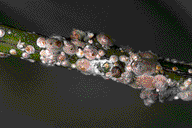
scale on rose branch
How to rid scale? 
Many remedies are available for control depending on how much the scale outbreak. 

1. At the beginning, you may choose organic controls including alcohol spray (isopropyl alcohol, straight or diluted), soapy emulsion (can be mixed w/alcohol), horticultural oil (read the directions, taking the plant out of the sun is a must) and pyrethrum spray. 
Soapy water/alcohol should be reapplied every 2-3 days for 2 weeks. This is because little residual action can be expected, and newly hatched insects are occurring.

Alcohol in large quantities in the root zone is generally to be avoided since it can dehydrate some tissues. Soapy water/alcohol mix should not be allowed to dry in the root zone since damage can occur. If it is used, after a short period it can be flushed by pouring clean water through the root zone.

2. The most common and easy choice to remove scale is Chemical spray with proven results include Sevin and malathion.  DO NOT use sprays containing malathion on the Crassulaceae family of plants. These plants include the common Jade plants.  Some species in these genera are very sensitive to Malathion, and damage or death may result.   For your safe health, follow the pesticide instruction strictly when you use Malathion.

3.  Sometimes, spraying contact pesticides on scale is not effective since their protective hard shell coverings shed water like a well-made roof and the chemical ends up killing the natural predators (lacewings and their larvae that generally keep the scale under control in garden). 
Systemic pesticides can work but we should get rid of the alive scales, too.   They can't move, so once they are detached from the plant they will die. So you should scrape off the cactus scale by washing the plant with a weak detergent solution or by mechanically removing insects with a toothpick.  Then spray Malathion to control major infestations weekly. When fighting scale, be sure to cover the soil, otherwise, these pests will just drop off and then get right back on the plant. 

Information & Photo Source: http://www.cactusmuseum.com/, http://www.oldandsold.com, http://bugyou.blogspot.com/

Monday, April 18, 2011

Natural ways to get rid of ants


Ants, a small animal, prove to be beneficial to the gardener by feeding on destructive garden pests such as caterpillars, spiders and small insects. But, some species of ants like black garden ants live together with the aphids (for their honeydew). In such a case, ants are inviting a notorious pest in the garden.  Here are several natural ways to get rid of the insects in your garden.


1. Try a vinegar spray. 
Mix three parts vinegar with one part warm water, and spray around the perimeter of the garden. If you know where the ant hill is, you can spray the mound directly.

 2. Sprinkle freshly ground black pepper in your garden around your plants.
Ants won't cross it, and it doesn’t cause any harm to you plants.

 3. Ants hate any type of strong odor.
The pungent aromatic scent of mint leaves acts a natural pesticide for the ants. So, do not delay in planting mint in your garden so as to get rid of the troublesome ants. The permanent solution for garden ants is to grow and maintain mint plants throughout the year. 

 4. Shake out a line of baby powder around the garden.
For some reason, ants don't seem to like the smell, and won't go near any part of the garden that has a baby powder smell.

5. Find the ant hill, and pour corn meal on top of it.
Ants will eat the corn meal, but they can't digest it, so they will die. If you hate the idea of killing ants, put a jar of honey in a tree near your garden. The ants will relocate so they can be near the honey, and it will keep them.

6. Use Citrus Peelings 
Collect citrus peelings (orange, lemon, etc.) and ground them by using adequate amount of water. Remove the liquid concoction and spray it over the ant mound. This method is an effective natural remedy for getting rid of carpenter ants and other garden ants.

I don’t recommend the ways with boil water and boric acid because the boil water is too cruel to ants.  Imagine how you would feel if your body was burn by hot water.  Meanwhile, boric acid is chemical, I also am unsure about its side affect to the soil, plant even or my health.   


Monday, September 3, 2007

Tips to control pests in the organic ways


1. Learn about the plants and the weeds and bugs that affect them.


2. Choose the right plants. Plant native species whenever possible. Native plants are better protected by their own “immune systems” and their relationships with other plants and animals in the area. You may also look for plants that are pest-resistant.


3. Diversifying the garden with a variety of plants will help the plants protect each other from pests. For example, small flowered plants like daisies, mint, and rosemary attract many insects that eat the pests. Check with a local garden shop or nursery for recommendations.


4. Maintain healthy, fertile soil by rotating your plants, adding compost, and mulching.


4. Plant early to avoid the worst bug season.


5. Allow growth of the pests' natural predators. Ladybugs, ground beetles, and birds eat many pests, and fungi and moss can infect the pests naturally. Spraying chemicals often kills the beneficial bugs too.


6. Get out there and work with your hands! A hoe, spade, and your hands are the best tools to combat weeds. Getting close to your plants will help you identify problems and remove pests and damaged plants by hand. Pruning plants helps remove diseased parts, leaving the plant's nutrients for the healthy parts. Always prune back to a main branch or stem; leaving "stubs" opens a door for pests.


7. Keep a garden journal in which you record when you see pests, what they look like, what they have done to the plants, and the actions taken. In this way, you will learn what works and what doesn't while experimenting with new techniques.


8. What's That Smell? Grow herbaceous plants herb aceous plant whose stem is soft and green and shows little growth of wood. The term is used to distinguish such plants from woody plants. that naturally repel pests. One of another solution is to grow garlic around roses. Aphids hate the stuff, and it will go a long way in deterring them. Other insect deterrents that you might try are marigolds and citronellacitronella, a fragrant grass, the source of a volatile oil used in perfumes and insect repellents.


9. Create a Bird Sanctuarybird sanctuary: see wildlife refuge. Use feeders, baths, and nest boxes to attract birds into your yard. Not only will garden pests diminish, but you'll also have the pleasure of enjoying the beauty of these welcome visitors.


10. When all else fails, use barriers like chicken wire to protect your prize tomatoes— try drenching mine with hot pepper spray and the rabbits attacking them just laughed.


11. Know the rodents and other animals that might visit your garden; visit your local USDA extension for information.


Source : www.thegreenguide.com and www.organicgardenpests.com